
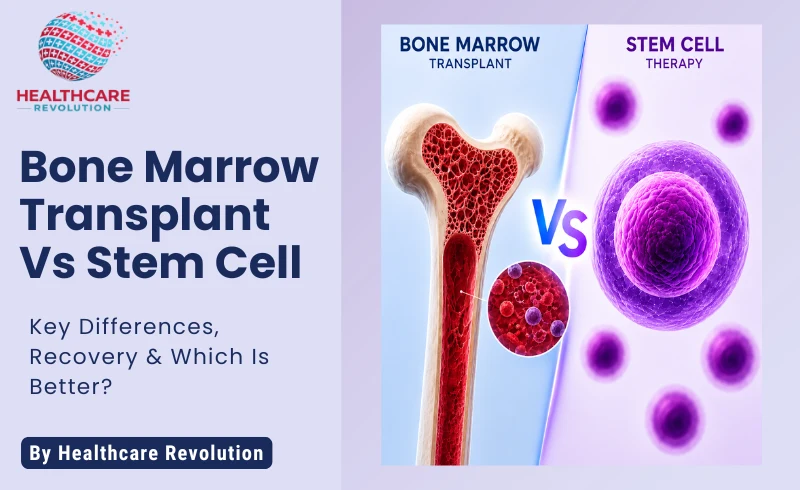
Stem Cell vs Bone Marrow Transplant: Key Differences, Benefits & What Patients Should Know
Understanding stem cell vs bone marrow transplant is essential for patients exploring advanced treatments for blood disorders and cancers. Although both procedures aim to replace damaged bone marrow, they differ in technique, recovery, and patient experience. Therefore, knowing these differences helps patients make informed and confident healthcare decisions.
What Is a Stem Cell vs Bone Marrow Transplant?
To begin with, both procedures restore the body’s ability to produce healthy blood cells. However, they differ in how doctors collect and transplant those cells.
- A bone marrow transplant involves extracting cells directly from the bone marrow.
- In contrast, a stem cell transplant uses cells collected from the bloodstream.
As a result, stem cell transplants have become more common in modern treatment plans.
How Bone Marrow Transplant Works
First, doctors collect healthy bone marrow from a donor, usually from the pelvic bone. They perform this procedure under anesthesia to ensure comfort. After that, they process and infuse the collected cells into the patient’s bloodstream.
Key Points:
- Requires a surgical procedure
- Uses anesthesia for donor comfort
- Takes longer recovery time
- Traditionally used method
To understand the different approaches, explore this detailed guide on types of bone marrow transplant.
How Stem Cell Transplant Works
On the other hand, stem cell transplants use a less invasive approach. Doctors first stimulate stem cell production using growth factors. Then, they collect the cells from the bloodstream through a process called apheresis.
Key Points:
- Non-surgical procedure
- Faster donor recovery
- Higher stem cell availability
- Widely preferred method
According to Mayo Clinic, stem cell transplants are often favored due to quicker engraftment and reduced complications in many cases.
Stem Cell vs Bone Marrow Transplant: Major Differences
When comparing stem cell vs bone marrow transplant, several factors clearly differentiate the two approaches.
1. Source of Cells
First, bone marrow transplants use cells directly from the marrow. However, stem cell transplants use peripheral blood cells. Therefore, collection becomes easier in stem cell procedures.
2. Procedure Type
Next, bone marrow transplant requires surgery. In contrast, stem cell transplant uses a non-invasive method. As a result, the process is more comfortable for donors.
3. Recovery Time
Moreover, bone marrow donors take longer to recover. Meanwhile, stem cell donors recover faster due to the simpler procedure.
4. Engraftment Speed
In addition, stem cell transplants usually engraft faster. Consequently, patients begin producing healthy blood cells sooner.
5. Risk of Complications
Finally, both methods carry risks. However, doctors actively manage complications such as graft-versus-host disease (GVHD) with advanced medical protocols.
Types of Transplants in Both Methods
Both procedures include different transplant types based on the donor source.
1. Autologous Transplant
First, doctors use the patient’s own cells. Therefore, the risk of rejection remains low.
2. Allogeneic Transplant
On the other hand, doctors use donor cells. As a result, immune-related complications may occur, but this method is often necessary.
For a deeper understanding, read about autologous vs allogeneic transplant.
When Do Doctors Recommend Stem Cell vs Bone Marrow Transplant?
Doctors choose between stem cell vs bone marrow transplant based on multiple clinical factors. Therefore, each treatment plan remains personalized.
Key Decision Factors:
- Type and stage of disease
- Patient’s age and overall health
- Availability of a suitable donor
- Urgency of treatment
Common Conditions Treated:
- Leukemia
- Lymphoma
- Multiple myeloma
- Aplastic anemia
The World Health Organization (WHO) highlights the importance of early diagnosis and timely transplant decisions for improved survival rates.
Benefits of Stem Cell Transplant
Stem cell transplants offer several advantages. Therefore, doctors increasingly prefer them in many cases.
- Faster recovery and engraftment
- Less invasive procedure
- Higher convenience for donors
- Better treatment adaptability
Benefits of Bone Marrow Transplant
However, bone marrow transplants still provide valuable benefits in specific cases.
- Lower risk of chronic GVHD in some patients
- Suitable for certain pediatric conditions
- Proven long-term success
Risks and Side Effects
Although both procedures are effective, they carry certain risks. Therefore, proper monitoring is essential.
Common Risks:
- Infections due to low immunity
- Graft-versus-host disease (GVHD)
- Fatigue and weakness
- Organ complications in rare cases
However, modern healthcare systems effectively manage these risks through personalized care.
Choosing the Right Treatment Option
Choosing between stem cell vs bone marrow transplant requires expert evaluation. Therefore, patients should consult experienced specialists before making decisions.
To explore comprehensive treatment options, visit bone marrow transplant services.
Final Thoughts: Stem Cell vs Bone Marrow Transplant
In conclusion, both procedures offer life-saving benefits. While stem cell transplants provide faster recovery and convenience, bone marrow transplants remain essential in specific clinical scenarios. Therefore, understanding stem cell vs bone marrow transplant helps patients make informed, confident healthcare choices.
Get Expert Guidance Today
If you or your loved one is considering a transplant, the right medical support is crucial. For advanced care, personalized treatment plans, and trusted expertise, visit Healthcare Revolution at and take the first step toward a healthier future.